
Ever have a crab boil? Here, it tends to be crawfish, but I once heard someone describe a Deep South summer as being a steamed crab in a bag. I laughed when I heard it, of course. Then I went outside in July and thought, yeah — that's about right.
If you've never run through a Memphis summer, it's hard to explain what you're really up against.
You step out the door, and the air hits you like a wall: thick, wet, and heavy. Oppressive. And there's no relief waiting for you out there. Not in the shade. Not from a breeze. The humidity will get to you no matter where you are. You're soaked before you've covered a block, whether you’re moving like a Usain Bolt or a snail.
Sweat drips down your back, collects on your upper lip, and makes everything feel sticky and slow. On pavement, it's worse. The ground radiates heat back up at you, and you feel like you can't drink enough water to keep up. It’s miserable.
Most (reasonable) people look at that and decide to stay inside.
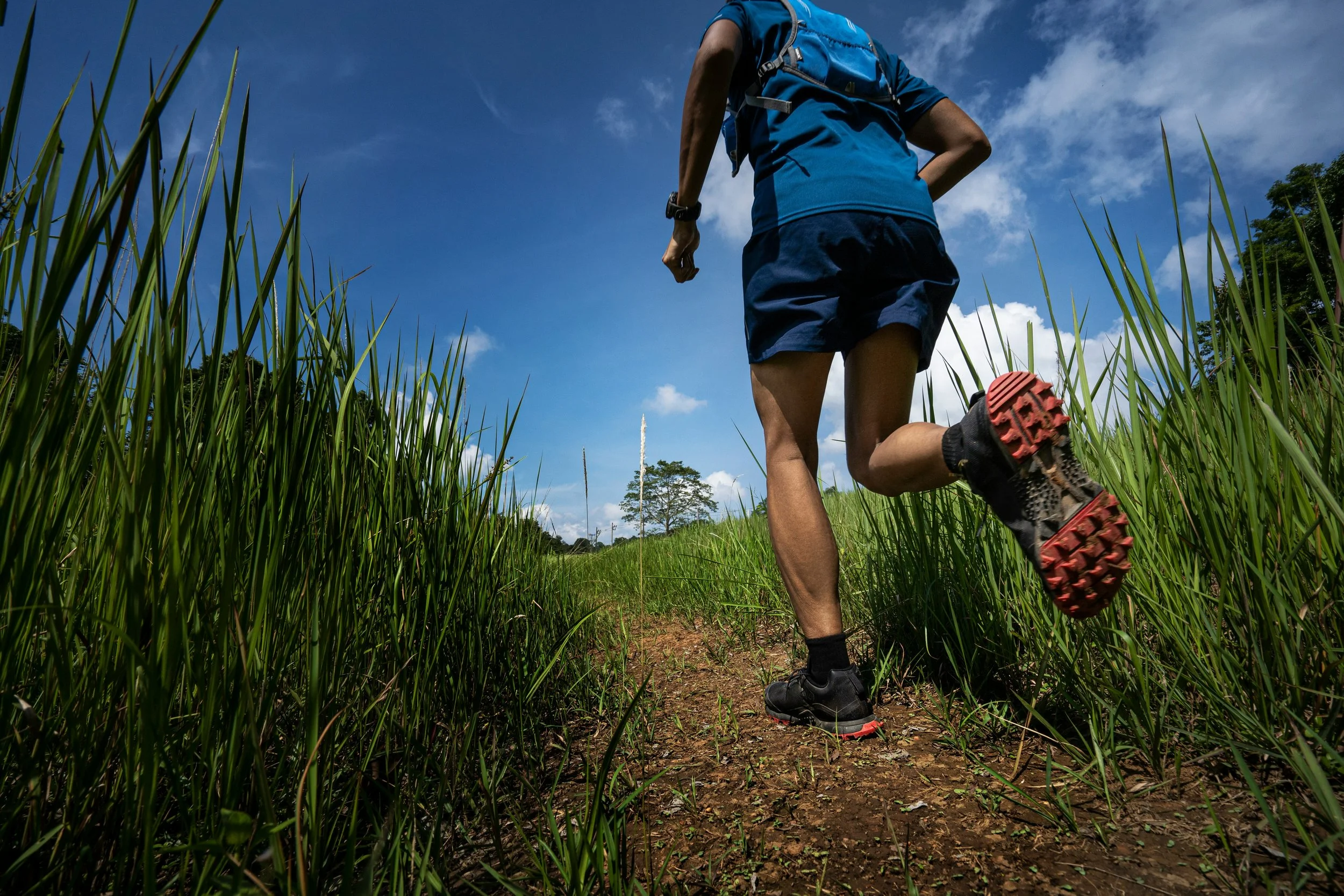
The Summer That Humbled Me
When I started taking running seriously, I told myself I wouldn't be like that.
I'd run through the summer, push through the discomfort. I figured I was fit enough and motivated enough that the heat would just be another variable I'd manage. I wasn't going to let silly weather dictate my training.
I was so, so very wrong.
I went out with the same effort I always ran. I held my usual pace, at least at first.
Then it all started going sideways: my legs were heavy earlier than they should have been, and I was breathing harder, too. It felt like finishing those runs took twice as long when they should’ve been a piece of cake.
The heat wasn’t something I could brute-force my way through, though. I had to adapt to it.
When it's 90 degrees with 80 percent humidity before 7 am, your body is already working overtime before you take a single step. Asking your legs to then perform at the same pace they managed in October is like asking your car to run at highway speed with the AC maxed out, uphill, and being surprised when your gas mileage tanks.
The adjustment that worked for me wasn't complicated, but it required letting go of something competitive people don't give up easily: the number on the clock.
What I Changed to Handle the Heat
I had to stop fighting my conditions and make some very specific changes:
#1 — Effort over pace, every time. I stopped targeting a specific pace and started targeting a specific effort level — controlled breathing, sustainable exertion, whatever that looked like. Some days were slower than I wanted. Most days in August, honestly. But I started finishing runs instead of merely surviving them.
#2 — Out the door before the pavement wakes up. Asphalt stores heat and radiates it back at you all day. Get out early, before the ground has had hours to absorb it. Even 90 degrees feels different at 5:30 am than it does at 8 am.
#3 — Electrolytes, not just water. When you're losing that much sweat that fast, water alone doesn't replace what you need. Adding electrolytes — especially sodium — helped me stop feeling like I couldn't drink enough to stay ahead of thirst.
#4 — Shaded routes when possible. Pavement in direct sun is a different animal than a shaded trail or tree-lined street. It won't save you from the humidity, but it helps. Even better if you can find a place to run by water.
None of these works, though, if you don’t accept that your pace in August is not your pace in April. And that’s okay.
When you train during the summer anyway, your body adapts — producing more red blood cells, increasing plasma volume, and making your cardiovascular system more efficient under stress. The research on heat adaptation is well-documented. But you don't get any of it if you're constantly fighting the conditions you’re in.
The South will strip away every illusion you have about how fit you are. It will make you slower, soggier, and more humble than you ever thought you’d be. And if you're willing to listen to what it's telling you, it will make you a better runner by the time things cool down in mid-November.
Unlike the crab, we get a choice. We can stay inside or get out there and adapt.
Runners, what environmental obstacle made you retune your training strategy? I want to hear about it in the comments.